
Culinary heritage plays a powerful role in shaping cultural identity, and one such traditional dish is cevurı. Deeply rooted in rural Anatolian cooking traditions, cevurı represents a slow-cooked, nutritious, and comforting meal prepared with simple ingredients like grains, vegetables, spices, and sometimes meat.
Over generations, cevurı has remained an important part of Turkish rural cuisine, symbolizing both survival cooking and cultural preservation. Today, it continues to attract attention from food enthusiasts who value authentic and traditional dishes.
What is Cevurı?
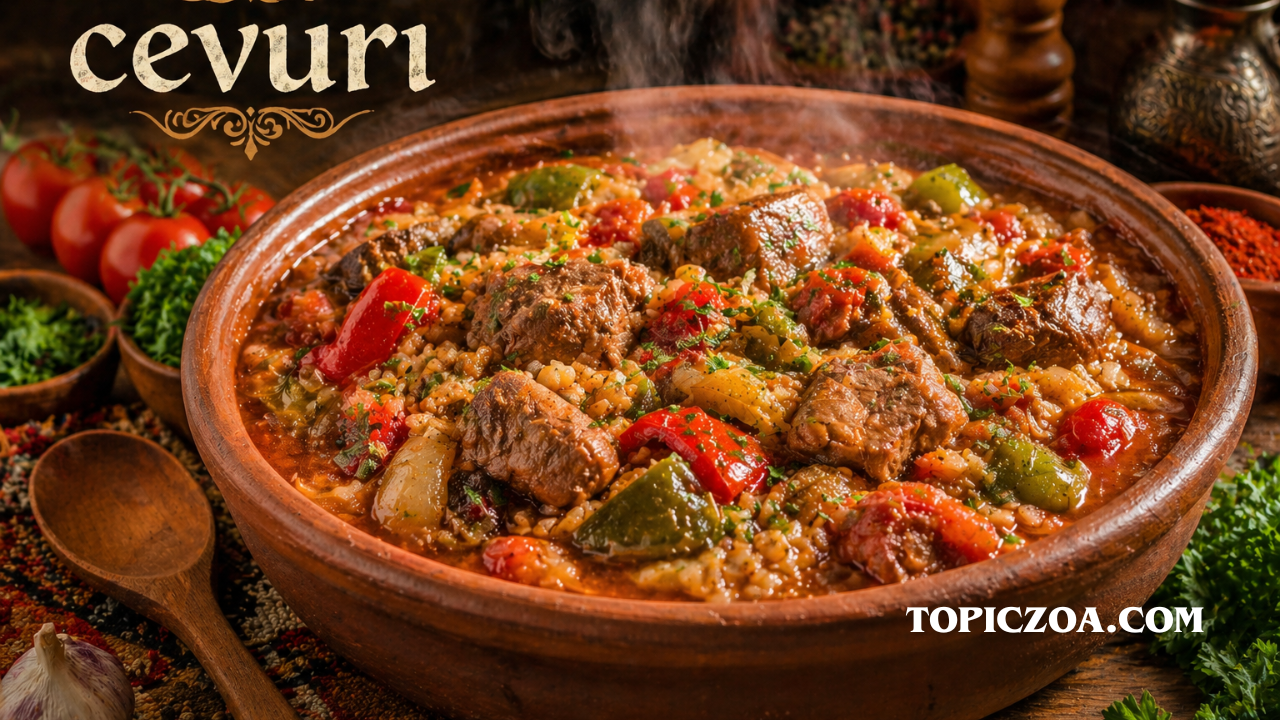
Cevurı is a traditional Turkish dish prepared by slow-cooking a combination of grains, vegetables, spices, and optional meat. It is known for its rich texture, deep flavor, and high nutritional value.
The dish is commonly prepared using:
- Wheat, rice, or bulgur as a base
- Seasonal vegetables such as tomatoes, onions, and peppers
- Meat options like lamb, chicken, or beef (optional)
- Aromatic spices including cumin, paprika, garlic, and black pepper
In rural culinary traditions, cevurı is considered a complete meal because it combines carbohydrates, protein, fiber, and essential nutrients in a single pot.
Historical Background of Cevurı
Cevurı originates from traditional rural cooking practices in Anatolia, where families relied on locally available ingredients. Historically, households prepared meals using grains harvested from their land, vegetables from gardens, and meat from livestock.
Central Anatolian Influence
In Anatolian regions, slow cooking techniques were widely used due to limited resources and time-intensive farming lifestyles. This led to the creation of hearty one-pot meals like cevurı.
Cultural Evolution
Over time, cevurı evolved as families adapted recipes based on seasonal availability and regional preferences. Despite variations, its core identity as a nourishing, slow-cooked dish remained unchanged.
Key Ingredients in Cevurı
The strength of cevurı lies in its simplicity and nutritional balance.
Grains
Grains form the foundation of cevurı:
- Wheat
- Rice
- Bulgur
These ingredients provide energy and structure to the dish.
Vegetables
Vegetables enhance flavor, texture, and nutrition:
- Onions
- Tomatoes
- Green peppers
- Garlic
Protein Sources
Protein adds richness and nutritional depth:
- Lamb (traditional choice)
- Chicken (lighter option)
- Beef (regional variation)
Vegetarian versions are also widely prepared.
Spices
Spices define the aroma and identity of cevurı:
- Cumin
- Paprika
- Black pepper
- Salt
- Garlic seasoning
Traditional Cooking Method of Cevurı
The preparation of cevurı follows a slow-cooking method that allows flavors to blend naturally.
Step-by-step process:
- Grains are cleaned and sometimes soaked
- Onions and garlic are sautéed in oil
- Vegetables are added and softened
- Meat is cooked until tender (if used)
- Spices are mixed for aroma and depth
- Grains and broth are added
- The mixture is slow-cooked until fully absorbed
This slow process ensures that cevurı develops a rich, balanced flavor profile.
Nutritional Value of Cevurı
Cevurı is considered a balanced traditional meal due to its nutrient composition.
- Carbohydrates: From grains, providing energy
- Protein: From meat and legumes
- Fiber: From vegetables
- Vitamins & minerals: From fresh produce
- Healthy fats: From cooking oils used moderately
Nutrition studies of traditional Mediterranean-style diets show that meals based on whole foods and slow cooking methods contribute to better digestion and long-term energy stability. Cevurı follows this same principle of balanced nutrition.
Cultural Importance of Cevurı
Cevurı is more than food; it is a cultural expression.
Family Tradition
In many rural families, cevurı recipes are passed from generation to generation, preserving culinary heritage.
Community & Sharing
It is often prepared in large quantities during gatherings, symbolizing unity and hospitality.
Cultural Identity
Cevurı reflects the values of simplicity, resourcefulness, and respect for nature-based cooking traditions.
Regional Variations of Cevurı
Different regions of Turkey have adapted cevurı based on local ingredients.
Ingredient Variations
Some regions use more vegetables, while others prefer meat-heavy versions.
Cooking Variations
- Clay pot cooking in rural areas
- Modern stovetop cooking in cities
- Oven-based adaptations in urban kitchens
Despite variations, the identity of cevurı remains consistent.
Cevurı in Modern Cuisine
In modern food culture, cevurı has gained renewed interest.
Urban Adaptation
Busy lifestyles have led to simplified cooking methods such as pressure cookers and slow cookers.
Global Interest
Food enthusiasts and cultural researchers explore cevurı as part of authentic Anatolian cuisine.
Digital Influence
Online recipes and food platforms have helped preserve and spread traditional dishes like cevurı globally.
Common Misconceptions About Cevurı
- It is not a single fixed recipe; it varies by region
- It is not always meat-based; vegetarian versions exist
- It is not fast food; it requires slow cooking for authentic taste
Case Study Insight (Cultural Food Preservation Trend)
Culinary preservation studies in food anthropology highlight that traditional dishes like cevurı survive longer when:
- Passed through family traditions
- Documented in digital recipe platforms
- Shared in cultural food festivals
This shows how cevurı remains relevant in both rural and modern food systems.
FAQs
What is cevurı made of?
Cevurı is made from grains, vegetables, spices, and optionally meat such as lamb or chicken.
Is cevurı healthy?
Yes, it is a balanced meal containing carbohydrates, protein, fiber, and essential nutrients.
How is cevurı cooked?
It is slow-cooked by combining all ingredients and simmering them until flavors blend.
Can cevurı be vegetarian?
Yes, vegetarian versions are common and widely consumed.
Why is cevurı culturally important?
It represents tradition, family heritage, and rural Turkish culinary identity.
Conclusion
Cevurı is a deeply rooted traditional Turkish dish that reflects cultural heritage, simplicity, and nutritional balance. Its slow-cooked preparation, natural ingredients, and regional variations make it a unique representation of Anatolian cuisine.
In modern times, cevurı continues to hold value not only as a meal but also as a cultural symbol that connects generations through food, tradition, and shared identity.
