

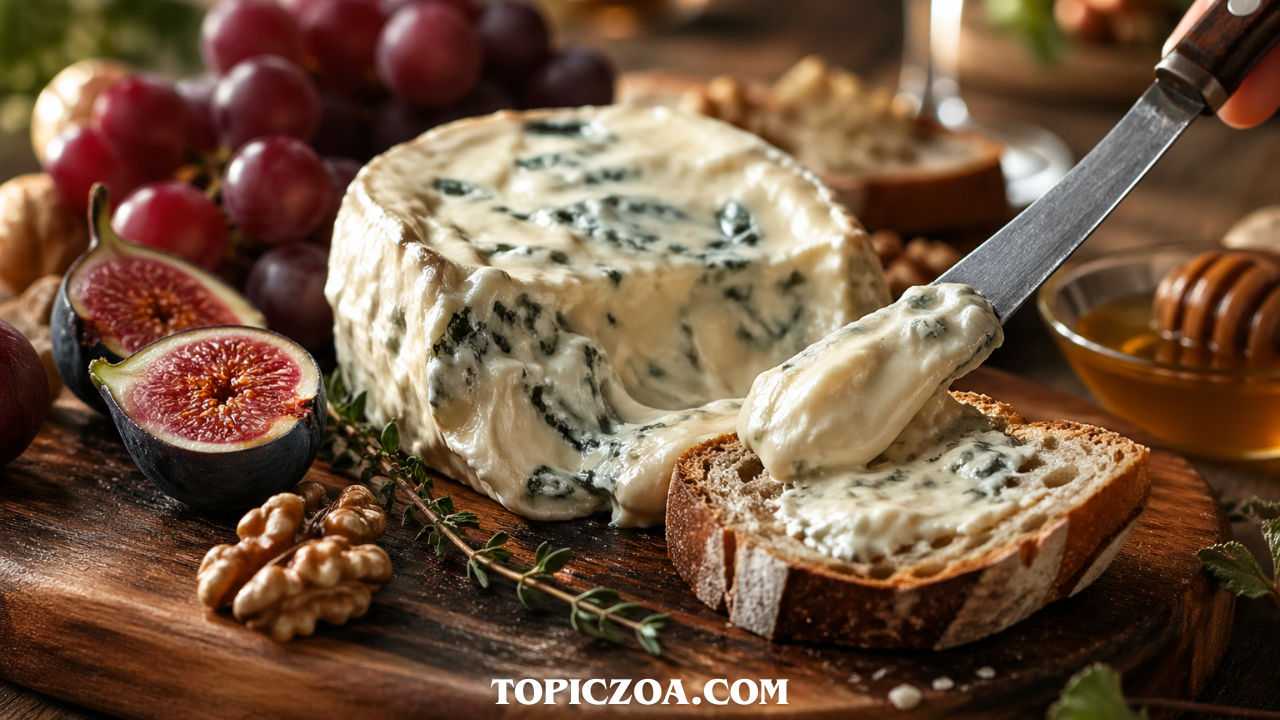
Cheese has always held a special place in global cuisine, but every now and then, a new concept emerges that captures attention. Masgonzola is one such rising name. It combines richness, depth, and balance in a way that appeals to both traditional cheese lovers and modern food enthusiasts.
Unlike widely recognized cheeses, masgonzola is not tied to a strict regional identity. Instead, it reflects a contemporary approach to flavor blending the creamy softness of Mascarpone with the bold, blue-veined character of Gorgonzola. This combination creates a unique profile that is both approachable and sophisticated.
Today, masgonzola is gaining traction among chefs, food bloggers, and home cooks who are looking for something versatile, indulgent, and slightly different from conventional cheese options.
Origin and History of Masgonzola
The concept behind masgonzola is rooted in European cheesemaking traditions, particularly those of Northern Italy. Regions such as Lombardy, where Gorgonzola has been produced for centuries, are known for their expertise in blue-veined cheeses.
Historically, blue cheeses were developed as a way to preserve milk while enhancing flavor through controlled mold growth. Over time, these cheeses evolved into gourmet products appreciated worldwide. Masgonzola builds on this heritage but represents a more modern, experimental direction.
Rather than being an officially protected cheese, masgonzola is often created by artisans or chefs who aim to soften the sharpness of blue cheese by blending it with mascarpone. This approach reflects a broader culinary trend toward fusion foods where traditional ingredients are reimagined to suit contemporary tastes.
Characteristics of Masgonzola Cheese
What makes masgonzola stand out is its balance between intensity and smoothness. While it shares visual similarities with blue cheeses, its overall experience is more refined and versatile.
Texture
- Semi-soft to creamy
- Easy to spread yet firm enough to slice
- Becomes softer as it ages
Appearance
- Pale ivory or light yellow interior
- Blue or green veins distributed throughout
- Thin, edible rind in some variations
Flavor Profile
- Mildly tangy with a creamy base
- Subtle sharpness rather than overpowering bite
- Earthy undertones with a smooth finish
Aroma
- Distinct but not overly strong
- Balanced between richness and mild pungency
These characteristics make masgonzola suitable for a wide range of palates, including those who typically avoid strong blue cheeses.
Production Process
The production of masgonzola follows traditional cheesemaking principles while allowing flexibility in technique.
Key Steps
- Milk Preparation
High-quality cow’s milk is commonly used, though some variations include goat’s milk for added complexity. - Starter Cultures
Lactic acid bacteria are introduced to begin fermentation. - Coagulation
Rennet is added to form curds. - Curd Handling
Curds are cut and drained to remove whey. - Mold Inoculation
The mold Penicillium roqueforti is introduced to develop the characteristic blue veins. - Blending with Mascarpone
Mascarpone is incorporated to create a smoother, creamier texture. - Salting and Aging
The cheese is salted and aged for several weeks to months. During aging, it is pierced to allow oxygen to promote mold growth.
This controlled process ensures that masgonzola maintains both its visual appeal and balanced flavor.
Varieties of Masgonzola
Although not standardized, masgonzola can vary based on aging and milk composition.
Common Types
- Young Masgonzola
- Aged for 2–4 weeks
- Mild flavor and soft texture
- Ideal for spreading
- Aged Masgonzola
- Aged for several months
- Stronger taste and firmer body
- Suitable for cooking
- Cow Milk Version
- Rich and creamy
- Most common form
- Mixed Milk Version
- Combines cow and goat milk
- Slightly tangier and more complex
Each type allows chefs to adjust intensity depending on the dish.
Culinary Uses of Masgonzola
One of the biggest strengths of masgonzola is its versatility in the kitchen. Its creamy consistency and balanced flavor make it suitable for both simple and advanced recipes.
Popular Applications
- Cheese Boards
Paired with nuts, honey, or fruits for contrast - Salads
Crumbled over greens with pears or walnuts - Pasta and Risotto
Melted into sauces for a rich, velvety texture - Pizza and Flatbreads
Used as an alternative to traditional cheeses - Desserts
Combined with figs or dark chocolate for sweet-savory dishes
In modern gourmet cooking, masgonzola is often used to elevate everyday meals without overwhelming other ingredients.
Nutritional Profile of Masgonzola Cheese
From a nutritional standpoint, masgonzola offers a dense source of energy and essential nutrients.
Approximate Values (per 100g)
- Calories: 350–400 kcal
- Protein: 20–25 g
- Fat: 28–32 g
- Carbohydrates: 1–2 g
- Calcium: 400–600 mg
- Phosphorus: ~400 mg
- Sodium: 800–1000 mg
Nutritional Insights
- High protein supports muscle maintenance
- Calcium and phosphorus contribute to bone health
- Contains vitamins such as A and B12
- May include beneficial bacteria due to fermentation
While masgonzola is nutrient-rich, moderation is important due to its fat and sodium content.
Health Considerations
Like many dairy products, masgonzola can be part of a balanced diet when consumed responsibly.
- Energy-Dense Food: Suitable for active individuals
- Bone Support: High calcium levels are beneficial
- Digestive Benefits: Fermented cheeses may support gut health
- Sodium Awareness: Should be limited for those managing blood pressure
These factors make masgonzola both indulgent and functional when eaten in appropriate portions.
Storage and Handling
Proper storage is essential to maintain the quality of masgonzola.
Best Practices
- Store at 2–6°C in the refrigerator
- Wrap in parchment or wax paper before placing in foil
- Avoid airtight containers for long-term storage
- Consume within 1–2 weeks
- Check for unusual mold beyond natural blue veins
Following these steps helps preserve both flavor and texture.
Conclusion
Masgonzola represents a modern take on traditional cheesemaking combining heritage techniques with contemporary taste preferences. Its creamy texture, balanced flavor, and versatility make it suitable for a wide range of culinary uses.
Beyond taste, it also delivers valuable nutrients such as protein, calcium, and essential vitamins. While it should be enjoyed in moderation, masgonzola remains an appealing choice for those who appreciate both flavor and quality.
Whether used in cooking or served on its own, masgonzola reflects the evolving nature of food where tradition meets innovation in every bite.
Frequently Asked Questions (FAQs)
What is masgonzola cheese made of?
Masgonzola is typically made by combining Mascarpone and Gorgonzola. This blend creates a smooth, creamy texture with a mild tangy flavor, making it more approachable than traditional blue cheeses.
Is masgonzola a real traditional cheese?
Masgonzola is not an officially recognized or protected cheese variety. Instead, it is a modern culinary concept inspired by traditional Italian cheesemaking, combining two classic cheeses to create a balanced flavor profile.
How does masgonzola taste compared to gorgonzola?
Masgonzola has a milder and creamier taste than gorgonzola. While gorgonzola is known for its strong, sharp flavor, masgonzola softens that intensity with mascarpone, resulting in a smoother and more balanced taste.
Can lactose-intolerant people eat masgonzola?
Masgonzola may contain lower lactose levels due to fermentation, especially from the blue cheese component. However, it still contains dairy, so individuals with lactose intolerance should consume it in small amounts and monitor their tolerance.
What are the best ways to use masgonzola in cooking?
Masgonzola is highly versatile and can be used in:
- Pasta sauces
- Pizza toppings
- Salad dressings
- Cheese boards
- Sandwich spreads
Its creamy consistency makes it ideal for both cooking and direct serving.
